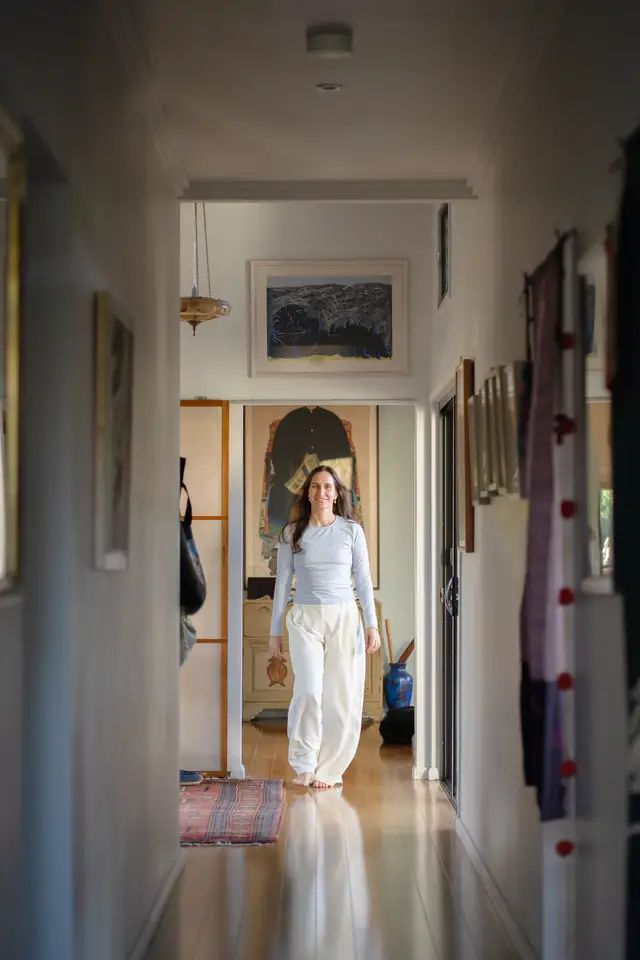










Meet Jas. Our new physiotherapist from Melbourne
Skip to content
Call Enquire
Eight disciplines, one team in your orbit
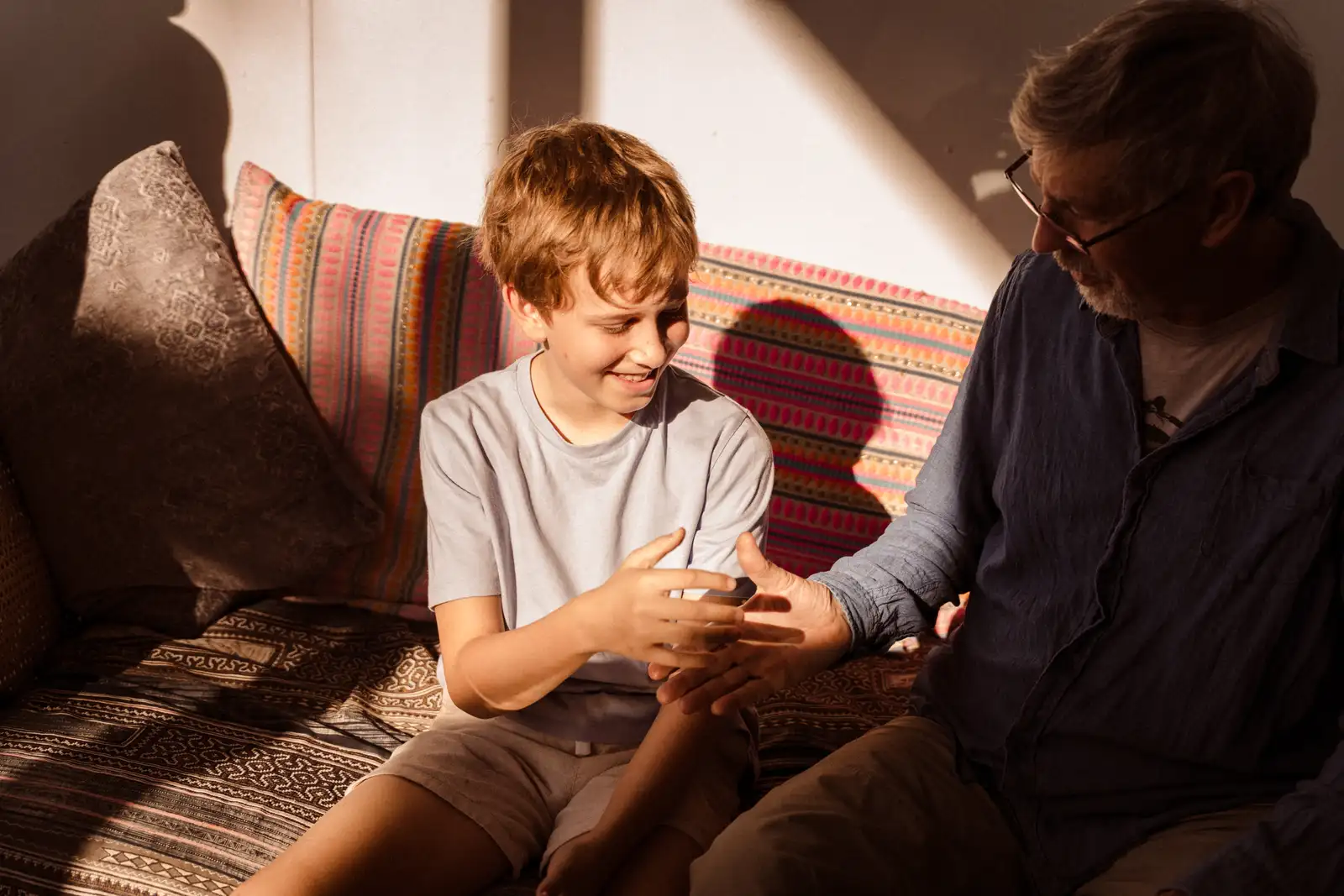
A child and an adult sharing a playful activity on a sofa
Play Therapy

Play therapy, because play is how children speak.

Play therapy supports children from around age two to twelve who don't yet have the words for what's going on inside. We use play as the language of the work, while coaching parents and caregivers alongside the child so progress carries into home, kinder and school.

AHPRA registered /NDIS registered provider /Aged Care & Support at Home /DVA
Quick enquiry
Takes 60 seconds

Talk to our intake team

Or call 1300 294 635
Who is the support for?

Replies within 1 business day from a real intake clinician. Confidential. Never shared.

What we offer

Inside play therapy
01

Play therapy from age 2

Developmentally appropriate play therapy for toddlers and preschoolers struggling with regulation, separation, sleep or behaviour.

  • Easier separations at daycare or kinder
  • Big feelings landing with less collateral damage
  • Sleep that comes back
  • Parents who feel they understand their child better

02

Trauma-focused play therapy

Gentle, paced play therapy for children working through traumatic experiences, medical trauma or significant family change.

  • Trauma processed at the child's pace
  • Nervous system steadied first, story later
  • Parents coached on co-regulation
  • Less hypervigilance, more curiosity
03

Anxiety in young children

Play-based therapy for young children with anxiety, separation distress, school refusal and worry.

  • Mornings that don't end in tears
  • Names and tools for big worries
  • Slow steps back into the things they've been avoiding
  • Parents who feel less alone in it
04

Behaviour and regulation play

Play therapy that addresses behaviour through the lens of regulation and connection, rather than reward charts and consequences.

  • Less time in meltdown and shutdown
  • Tools the child uses, not just hears about
  • Parents responding from steadier ground
  • Teachers and educators included where helpful
05

Parent-child play sessions

Sessions where the parent is part of the play, building connection, attunement and repair in the relationship.

  • Stronger bond in everyday moments at home
  • Repair after hard seasons in the relationship
  • Parents leaving with felt experience, not just advice
  • Confidence in 'just being' with the child
06

Developmental support

Play-based support for children with developmental differences, including autism and global developmental delay.

  • Sessions that meet the child where they are
  • Communication and play partner skills built in context
  • Family coached on connecting on the child's terms
  • Coordinated approach with OT and speech where relevant
A child blowing bubbles outdoors in golden afternoon light

What it is

Therapy in the language children already speak

Play therapy is a structured, evidence-informed approach for children who can't easily talk about what's going on. Through play, children process big feelings, work through tricky experiences and practise new ways of relating. It's not 'just playing'. Sessions are carefully held by a trained clinician with specific goals in mind.

We offer play therapy from around age two through to twelve, with a strong focus on the early years where talk therapy isn't yet a fit. For many of our families, play therapy is the first piece of mental health support a child has had.

We coach parents alongside the child. That's the part most families say makes the biggest difference: walking out of sessions with a clearer sense of what their child needs, and how to respond at home.

Who it helps

Who play therapy helps
A young child running happily outdoors in golden afternoon light

Toddlers and preschoolers

Big feelings, separation distress, sleep, regulation and early behaviour concerns. Play therapy meets young children where they live: on the floor, with their hands.

A parent and two children smiling together outdoors in golden afternoon light

Primary-aged children

Anxiety, trauma, family change, friendship struggles, behaviour and self-esteem. Often the right fit for kids who 'don't want to talk to anyone'.

Read more
An adult and a child spending time together outdoors at golden hour

Parents and caregivers

Parent coaching runs alongside the child's work. Most families say this is where the biggest shifts happen.

A child playing outdoors in warm afternoon light

Children with developmental differences

Autistic kids, kids with developmental delay and kids with sensory differences. We follow the child's lead and coordinate with OT and speech where relevant.

Read more

How we deliver

Where play therapy works best
A warm, welcoming Constellation Therapies practice space
In clinic

In-clinic at Gympie QLD or Hawthorn VIC (most play therapy happens here)

A family together outdoors in golden afternoon light
Mobile visits

Mobile visits across greater Melbourne, Sydney, Perth, Adelaide, Darwin and SE Queensland where the home setup supports it

A person relaxed at home in warm afternoon light
Telehealth

Telehealth in select cases, usually as parent coaching alongside in-person child work

Funding pathways

Funded the way you fund it.

Play therapy is most commonly funded through NDIS for participants, and through private payment for families outside NDIS.

NDIS

Plan-managed, self-managed and agency-managed. Capacity Building, Improved Daily Living and Core supports.

Aged Care & Support at Home

Allied health under Support at Home, home care packages and aged care home placements. In-home and on-site visits.

DVA

Veteran allied health under valid DVA referrals. Bulk-billed where eligible.

Private

Pay privately for therapy or assessments without a referral. Clear, upfront fee schedule.

Your clinicians

The play therapy team

Our play therapy clinicians work across the Gympie and Hawthorn clinics, in homes, schools and aged care settings, and via telehealth Australia-wide. We match you to the right person for your goals, funding and location, not just the first available.

  • AHPRA-registered or PACFA / ACA-accredited clinicians, with provisional staff under senior supervision
  • NDIS registered provider, plus Aged Care Support at Home, DVA and private
  • Seen in clinic, at home or school, or by telehealth across QLD, VIC and NSW
  • Plain-English, funding-ready reports written to be acted on
From the people we walk alongside
"We came in for sleep and meltdowns. We left with a child who could name a feeling, and parents who finally knew what to do at three in the morning."
Parent, Brisbane
Play therapy for a four-year-old

Common questions

Play Therapy FAQs
What age does play therapy work for?

We offer play therapy from around age two through to twelve. The lower end depends on the child and the goals (sometimes the work is mostly with the parent and child together). The upper end is where most kids are ready for a more talk-based approach, though plenty of older children still benefit from creative, play-based work.

Is play therapy actually evidence-based?

Yes. Play therapy is recognised by professional bodies internationally and has a growing evidence base, particularly for trauma, anxiety and regulation in young children. It's not 'just playing'. Sessions are structured around clear goals and run by a clinician trained in the approach.

Does NDIS cover play therapy?

Yes, in many cases. Where play therapy is clinically appropriate for the child's NDIS goals, it's typically billed under Improved Daily Living (Capacity Building). Support coordinators and plan managers are welcome to call our admin team to discuss fit.

How is play therapy different from a child seeing a psychologist?

There's overlap. The difference is that play therapy is built around play as the primary medium, which suits younger children and kids who find talk therapy hard. For older children or for formal assessment and diagnosis, a child psychologist is often the better fit. Many of our families work with both.

How long does play therapy take?

It depends on the goals. Many families see meaningful change over twelve to twenty sessions for focused concerns like anxiety, sleep or regulation. Trauma work usually takes longer. We review progress with parents regularly so it's not a black box.

Do parents sit in on play therapy sessions?

Sometimes yes, sometimes no. For some children and goals, parent-child play sessions are the work. For others, the child needs the room to themselves and the parent gets their own debrief. We'll talk through the right setup at intake.

What does a play therapy session look like?

Sessions are usually 50 minutes in a room set up for play, with materials chosen with the child's goals in mind: sand tray, miniatures, art, dolls, puppets, sensory materials. The clinician follows the child's lead within a structured frame, then debriefs with the parent at the end of the session or between sessions.

Stars in our orbit

Letters from the people
we walk alongside.

From parents, NDIS participants, aged care families and the support coordinators who trust us with their people. Shared with permission; full names withheld on request.

"Our 14yo finally felt heard. Her counsellor was the first who actually got her, and now we have language we use as a family."

MR
Megan R.
Parent · Geelong, VIC

"The FCA report was the first time someone wrote about my life and it actually felt like me. My new plan reflects what I actually need."

JM
Jordan M.
NDIS participant · Adelaide, SA

"Reports land on time, every time. Recommendations are practical and NDIS aligned. I send participants here when I want it done right."

BL
Bec L.
Support Coordinator · Sydney, NSW

"The OT came to the nursing home and sat with us through the swallow plan. We didn't have to chase, explain, or repeat ourselves once."

DC
Diane C.
Aged care family · Melbourne, VIC

"Play therapy at age 3 felt like a long shot. Six months in, we finally feel like we know our son better. The clinician partnered with us the whole way."

SP
Sam P.
Parent · Gympie, QLD
OK
Olive K.
Adult psychology client · Hawthorn, VIC

"Kristie's assessment finally gave me language for what I'd been experiencing. The report was clear and the recommendations were practical."

Shared with permission · Names withheld where requested
Read more letters →

Ready to start?

Let's get you matched with the right play therapy clinician.

Whether you're a parent looking for support, an adult navigating NDIS, an aged-care family, or a support coordinator with a referral, we'll meet you where you are.

Quick enquiry
Takes 60 seconds

Tell us who needs support

Or call 1300 294 635
Who is the support for?

Replies within 1 business day from a real intake clinician. Confidential. Never shared.