











The moment a three-year-old turns toward you
Eye contact that wasn't there before. A first proper word at the snack table. A child handing you the AAC device and pointing at what they want. These are the small wins that change a parent's whole week.
Diagnosis, NDIS evidence and therapy across the lifespan.
Daily living, regulation, independence and reporting.
Language, AAC, literacy and adult dysphagia.
Trauma-informed, neuro-affirming. Every age.
From age 2. The language of early development.
Practical, dignified support for behaviours of concern.
Nutrition support for disability, aged care and complex needs.
Movement, strength and independence across the lifespan.
Funding-ready clinical evidence.
Most families don't come to us with a clinical label. They come because mornings are hard, school drop-off ends in tears, dinner has turned into a battleground, or a teacher has said something that's sitting heavy. We help you work out what's going on, and we do the work alongside you, not just with your child in a room down the hall.
Working with children means working with the whole family: exhausted parents, worried grandparents, teachers who've run out of strategies, siblings who've had a hard week of their own. We get to be the steady people in the middle of that. Below is what keeps our clinicians showing up for this work.
Eye contact that wasn't there before. A first proper word at the snack table. A child handing you the AAC device and pointing at what they want. These are the small wins that change a parent's whole week.

Most families walk in carrying months of worry. We do the clinical work with the child, and we coach the adults so they walk out with strategies that actually fit their kitchen, their mornings, their kid.
School refusal is rarely a discipline problem. It's a regulation problem wearing a uniform. Watching a kid go from refusing the gate to walking in voluntarily is the kind of result that keeps a clinician in this work.
When one child gets the support they need, the whole household resets. Parents often tell us the sibling who 'didn't need anything' is the one who softened first.
We approach autism, ADHD and other neurodivergence as identity, not pathology. That shapes how we run sessions, how we write reports, and how we talk about a child in front of them.
Play therapy from age 2 means we're often the first clinical voice a family ever hears. We take that seriously. We move slowly, listen properly, and don't push the child further than the relationship can carry.
There's no single path through children's allied health, but most families move through some version of these five stages. We'll meet you wherever you're up to, and we'll be clear about what's next before you commit to anything.
Intake starts with a phone conversation, not a 40-field PDF. Our admin team listens to what's going on, talks you through which clinician fits, and quotes scope and fees in writing. If we're not the right service, we'll say so and point you somewhere useful.
Whether it's a play-based observation in clinic, a school visit, or a formal cognitive assessment, our job is to work out what's actually going on underneath the behaviour. The written report comes back in language you can hand to a teacher or a GP without translating it first.
Sessions in clinic at Gympie or Hawthorn, mobile visits at home for the kids who fall apart in waiting rooms, school-based work where the teacher needs to be part of the strategy, and telehealth for parent coaching between sessions. We work the way the family lives, not the other way around.
With your permission we loop in the classroom teacher, the learning support staff, the paediatrician or the GP. Shared strategies hold up better than secret ones. We keep what's useful in the room and protect what isn't.
Progress notes, plan review evidence, NDIS reassessment letters and school adjustment documentation, written by the clinician who knows the child, not a template. Funding-ready, plain English, and turned around to a timeframe we've agreed up front.
Children don't develop on a single timeline, and the things that bring families to us shift as the child grows. Here's the broad shape of what we work on, age band by age band.
Toddlers and pre-kinder children who aren't talking yet, gestalt language processors, fussy eaters, kids who melt down at daycare drop-off, or children whose sensory profile is making everyday life hard. Play therapy and speech pathology from age 2, OT for the sensory and regulation side.
Kinder and prep age, the year before and the first year of school. Big feelings at drop-off, friendship knots in the playground, kids who go non-verbal under stress, and early AAC trials for children who communicate differently. Where helpful, we'll do classroom observations.
Middle primary is when school refusal often shows up, when literacy gaps get harder to hide, and when anxiety starts to look like stomach aches before school. Counselling and play therapy alongside speech-led literacy support and OT for executive function.
Late primary kids working out who they are, including kids realising they might be autistic or ADHD. The transition to high school is a big one, and we often do a focused arc of work in Year 6 so the move into Year 7 lands better. Reports written with the new school in mind.
Late talker, unclear speech, kinder educators flagging language, or older siblings spoke earlier. Speech pathology and play therapy from age 2 are usually the first ports of call.
Fussy eating that won't budge, gagging on textures, a shrinking list of safe foods, or suspected ARFID. We can look at the sensory side, the relationship with food, and the mealtime setup.
Sensory overload, meltdowns over clothing tags, panic in noisy rooms, or a kid who just can't settle. OT-led sensory regulation work, with the school and the parents in the loop.
Tummy aches before drop-off, panic at the gate, weeks of staying home, or a year-level transition that's gone sideways. We work with the family and the school together.
Anger that comes out of nowhere, anxiety the child can't yet name, shutdowns at the dinner table, or sleep that's gone. Play therapy and counselling, with parent coaching alongside.
Kids coming home flat, friendship groups that keep shifting, or signs of bullying. We work on the social side of communication without 'training' kids out of who they are.
Behaviour that looks defiant from the outside is almost always regulation underneath. We work with the child and coach the adults around them so the response shifts at home and at school.
Suspecting autism, ADHD or a learning difference, and not sure who to see or in what order. We can talk you through assessment options before you commit to anything.
From age 2. The language of early development.
Diagnosis, NDIS evidence and therapy across the lifespan.
Language, AAC, literacy and adult dysphagia.
Daily living, regulation, independence and reporting.
Trauma-informed, neuro-affirming. Every age.
Funding-ready clinical evidence.
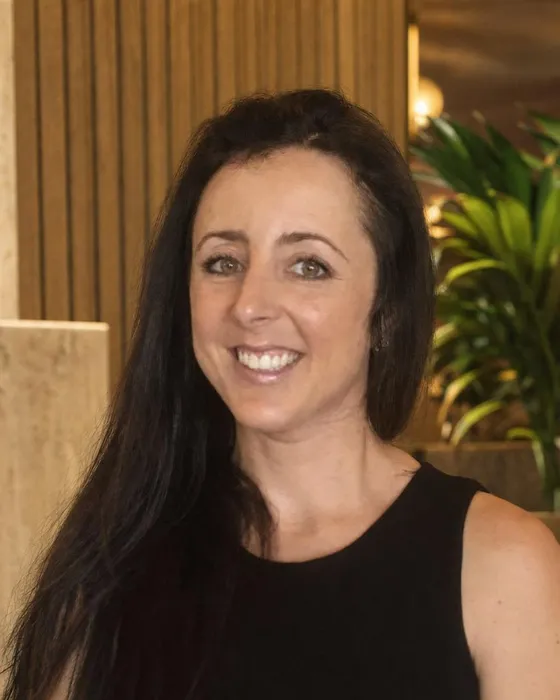
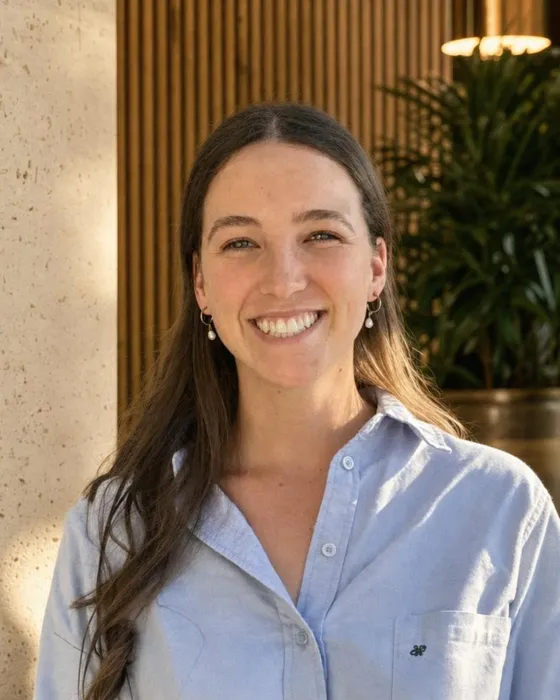
Hand-picked clinicians from across our QLD, VIC and NSW team for children & families.
Most families pay through NDIS, a Medicare Mental Health Care Plan, or privately. Children under 9 may sit under the NDIS Early Childhood Approach (formerly ECEI), and we're comfortable working in that space. If you're not sure which pathway fits, our admin team will walk you through it before you book anything.
Plan-managed, self-managed and agency-managed. Capacity Building, Improved Daily Living and Core supports.
Mental Health Care Plans and Chronic Disease Management Plans where the service qualifies.
Pay privately for therapy or assessments without a referral. Clear, upfront fee schedule.
"We came in for sleep and meltdowns. We left with a child who could name a feeling, and parents who finally knew what to do at three in the morning."
We offer play therapy from around age 2. For the youngest children, the work often runs as parent-child sessions on the floor: building connection, attunement and a way to settle big feelings before they become big behaviours. From around age 4 onwards, most children are ready for individual play therapy with a parent debrief built in.
No. Most families call us before any diagnosis, and a lot of our work is helping you work out whether assessment is even the right next step. If it is, we can do it; if it isn't, we'll say so. Therapy doesn't require a diagnosis to be useful.
Yes, often. The setup depends on the child's age, what they're working on, and what they're comfortable with. For younger kids we usually start with parents involved and step back as the child settles into the work. For older kids and tweens, individual sessions with a parent check-in are common.
Play therapy uses play as the primary language of the work, which suits younger children and kids who find talking hard. A child psychologist may do more talk-based therapy and can also do formal assessment and diagnosis. Plenty of our families work with both at different points.
Yes. We do mobile visits across greater Melbourne, Sydney, Perth, Adelaide, Darwin and SE Queensland, and we can work in schools, daycare and the family home where it's clinically appropriate. Telehealth is also an option for older children, and for parent coaching alongside in-person child work.
With your permission, yes. For school refusal, sensory issues, literacy concerns or behaviour, looping in the teacher and learning support staff usually accelerates progress. We share what's useful and keep the rest in the room.
It depends on what's going on. For focused issues like sleep, separation anxiety or a specific transition, many families see meaningful change inside 12 to 20 sessions. Trauma work and developmental support are usually longer arcs. We review progress with you regularly so it's never a black box.
From parents, NDIS participants, aged care families and the support coordinators who trust us with their people. Shared with permission; full names withheld on request.
"Our 14yo finally felt heard. Her counsellor was the first who actually got her, and now we have language we use as a family."
"The FCA report was the first time someone wrote about my life and it actually felt like me. My new plan reflects what I actually need."
"Reports land on time, every time. Recommendations are practical and NDIS aligned. I send participants here when I want it done right."
"The OT came to the nursing home and sat with us through the swallow plan. We didn't have to chase, explain, or repeat ourselves once."
"Play therapy at age 3 felt like a long shot. Six months in, we finally feel like we know our son better. The clinician partnered with us the whole way."
"Kristie's assessment finally gave me language for what I'd been experiencing. The report was clear and the recommendations were practical."
Whether you're a parent looking for support, an adult navigating NDIS, an aged-care family, or a support coordinator with a referral, we'll meet you where you are.