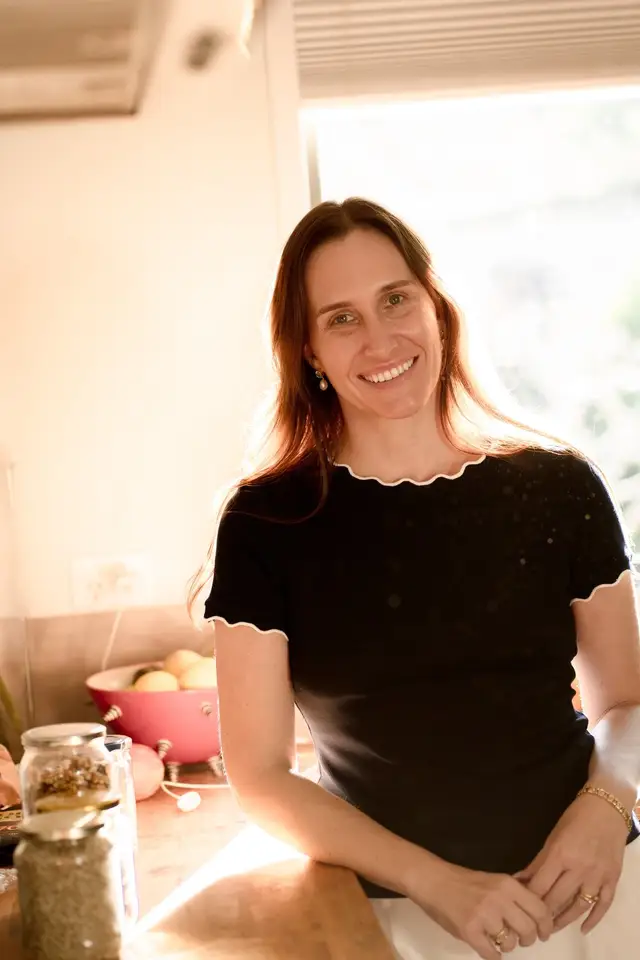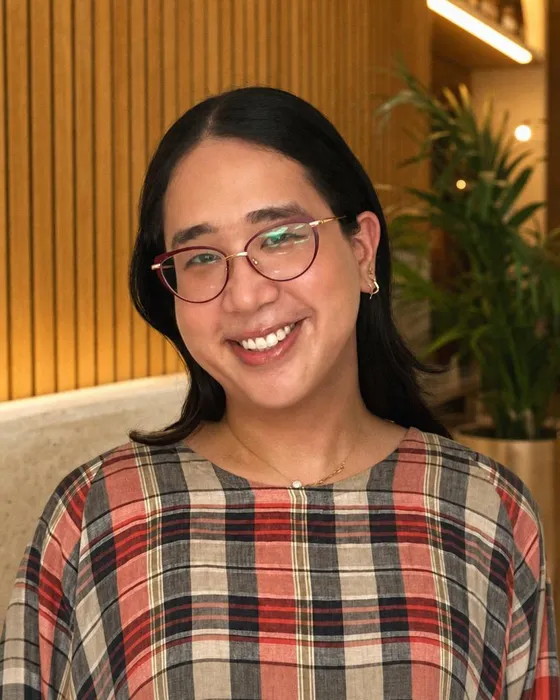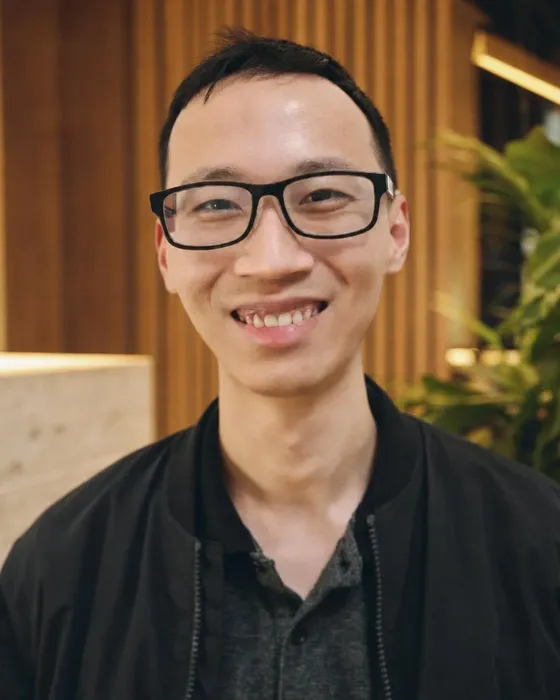







Meet Jas. Our new physiotherapist from Melbourne
Skip to content
Call Enquire
Eight disciplines, one team in your orbit
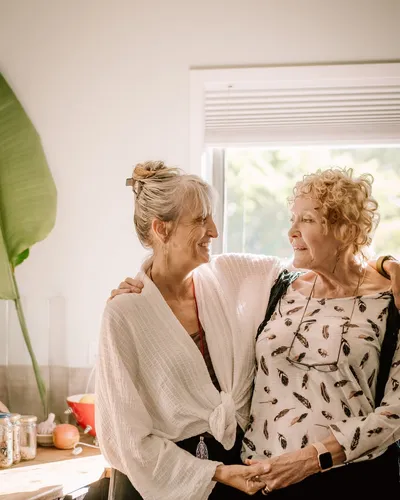
Two people talking and smiling together in a sunlit kitchen
Speech Pathology

Speech pathology for talking, eating and connecting.

Our speech pathologists support children learning language and literacy, teens building social communication, adults living with communication or swallowing difficulties, and older Australians whose voice, language or swallowing has changed. We work in English and Mandarin, including across rural communities via telehealth.

AHPRA registered /NDIS registered provider /Aged Care & Support at Home /DVA
Quick enquiry
Takes 60 seconds

Talk to our intake team

Or call 1300 294 635
Who is the support for?

Replies within 1 business day from a real intake clinician. Confidential. Never shared.

What we offer

Inside speech pathology
01

Paediatric speech and language

Therapy for speech sound development, expressive and receptive language, and early communication for children.

  • Use words at the dinner table that the family understands
  • Follow two and three-step instructions at home and at kinder
  • More confident participation in show-and-tell and circle time
  • Parents who feel they've got tools, not homework

02

Literacy support

Structured literacy support for children and teens with reading, spelling and writing difficulties, including suspected dyslexia.

  • Decode unfamiliar words rather than guessing from the picture
  • Catch up to peers without losing confidence
  • Strategies the teacher and parent can both use
  • Clear advice on when assessment for dyslexia is helpful
03

Social communication

Neuro-affirming support for autistic kids, teens and adults developing the social communication skills they care about.

  • Make and keep friendships on the client's own terms
  • Navigate group work, share houses and workplaces
  • Self-advocacy language for school and work
  • No 'social skills training' that masks who the client is
04

AAC (multimodal communication)

Assessment, trial and ongoing therapy with AAC and multimodal communication systems for non-speaking and minimally speaking clients.

  • An AAC system the client and family actually use
  • Trial before purchase wherever possible
  • Family, school and support workers coached on the system
  • Reports that meet NDIS AT evidence requirements
05

Adult speech pathology

Communication and cognitive-communication therapy for adults after stroke, brain injury or neurological conditions.

  • Get back to phone calls, emails and conversations
  • Strategies for word-finding and fatigue
  • Communication partners coached, not just the client
  • Goals tied to work, study or family life
06

Dysphagia and swallowing

Swallowing assessments and dysphagia management for adults and older Australians, including modified diet recommendations.

  • Safer eating and drinking at home or in residential care
  • Modified diet recommendations everyone in the home understands
  • Lower risk of choking and aspiration
  • Mealtimes that stay social, not clinical
07

Mealtime management

Mealtime assessments, mealtime management plans and training for families, support workers and aged care staff.

  • Written mealtime plan everyone in the team can follow
  • Confidence for support workers and family at meals
  • Reduced incidents and easier coordination with GPs
  • Plans reviewed as the person's needs change
An adult and a child sitting close together outdoors among the trees

What it is

Speech pathology across the lifespan

Speech pathology covers more than speech sounds. Our speech pathologists work on language (understanding and using words), literacy (reading and writing), social communication, multimodal communication for non-speaking clients, and swallowing for adults and older Australians.

Sessions are play-based for younger children, goal-driven for teens and adults, and gentle and respectful for older clients managing the effects of stroke, Parkinson's, dementia or other conditions. We work in English and Mandarin.

We're neuro-affirming, which shapes how we approach AAC and social communication: we presume competence, we follow the client's lead, and we coach the people around them so communication wins extend beyond the session.

How we deliver

Three ways to see a speech pathologist
A warm, welcoming Constellation Therapies practice space
In clinic

In-clinic at Gympie QLD or Hawthorn VIC

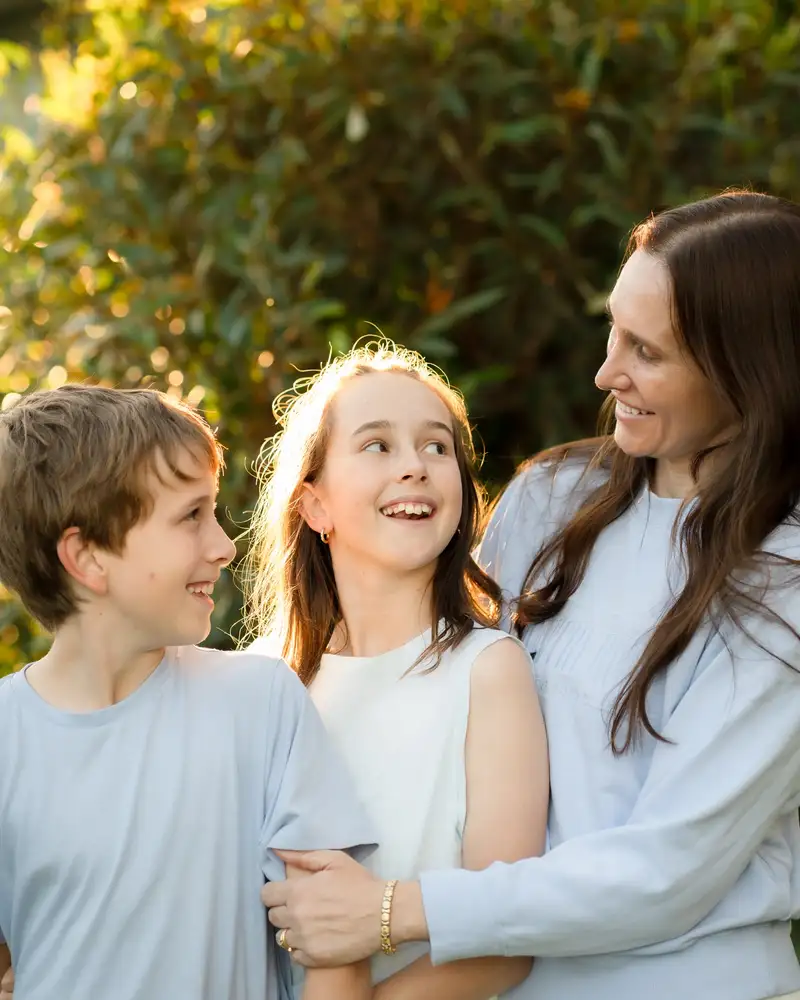
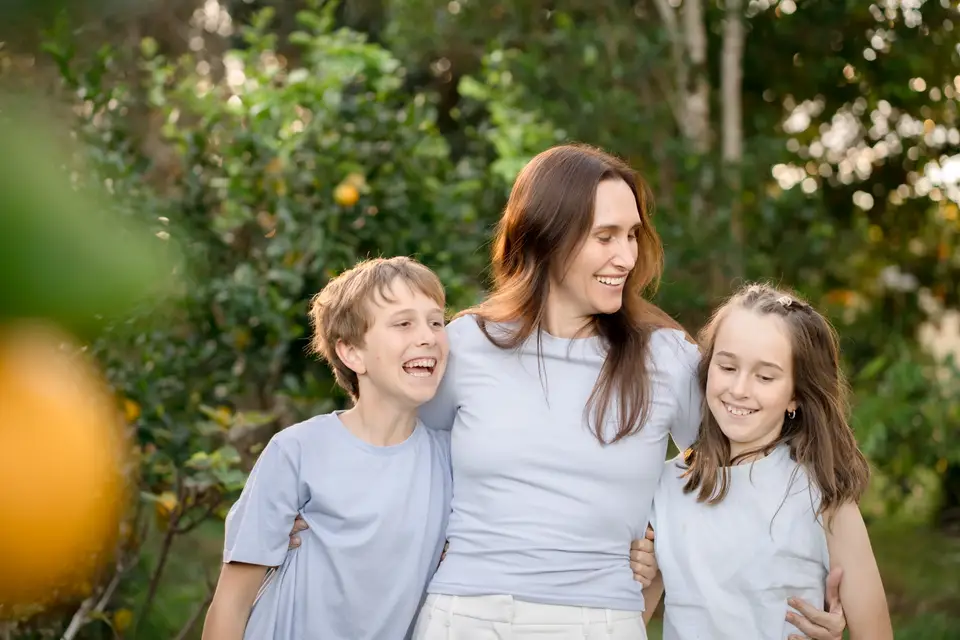
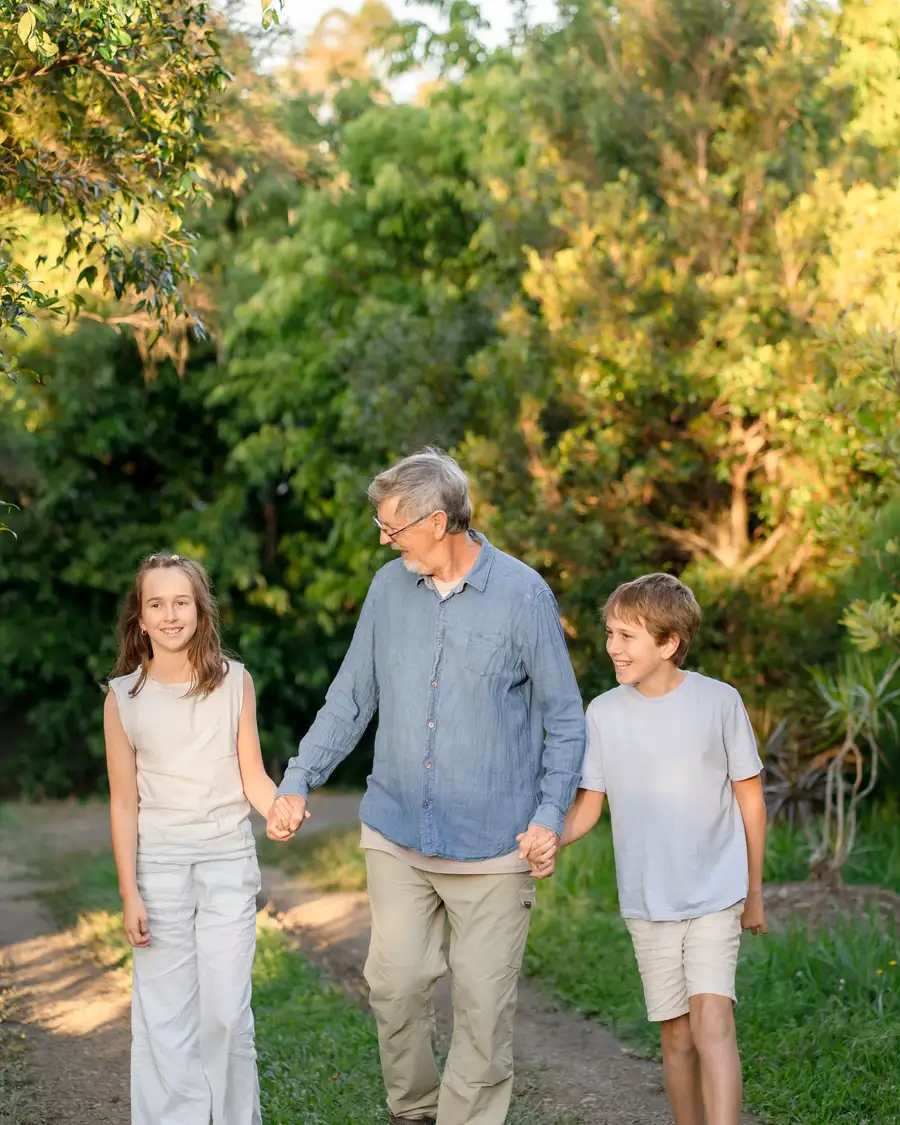
A family together outdoors in golden afternoon light
Mobile visits

Mobile visits across greater Melbourne, Sydney, Perth, Adelaide, Darwin and SE Queensland

A person relaxed at home in warm afternoon light
Telehealth

Telehealth Australia-wide where it's clinically appropriate

Funding pathways

Funded the way you fund it.

Speech pathology is fundable through NDIS, Aged Care (Support at Home and home care packages), DVA and private payment.

NDIS

Plan-managed, self-managed and agency-managed. Capacity Building, Improved Daily Living and Core supports.

Aged Care & Support at Home

Allied health under Support at Home, home care packages and aged care home placements. In-home and on-site visits.

DVA

Veteran allied health under valid DVA referrals. Bulk-billed where eligible.

Private

Pay privately for therapy or assessments without a referral. Clear, upfront fee schedule.

Your clinicians

The speech pathology team

Our speech pathology clinicians work across the Gympie and Hawthorn clinics, in homes, schools and aged care settings, and via telehealth Australia-wide. We match you to the right person for your goals, funding and location, not just the first available.

  • AHPRA-registered or PACFA / ACA-accredited clinicians, with provisional staff under senior supervision
  • NDIS registered provider, plus Aged Care Support at Home, DVA and private
  • Seen in clinic, at home or school, or by telehealth across QLD, VIC and NSW
  • Plain-English, funding-ready reports written to be acted on
From the people we walk alongside
"Justin made my husband's dysphagia plan something the whole family could follow. Mealtimes felt safe again."
Spouse and carer, Hawthorn VIC
Adult dysphagia and mealtime management

Common questions

Speech Pathology FAQs
What's the difference between speech therapy and speech pathology?

In Australia, the profession is called speech pathology and our clinicians are Certified Practising Speech Pathologists. 'Speech therapy' is how most parents and clients describe it day to day. They mean the same thing.

At what age should I be worried about my child's speech?

There's no single cut-off, but a few rough markers: by 18 months most toddlers have a handful of words; by two, short phrases; by three, strangers can usually understand most of what they say. If you're unsure, book a short intake call. Early input is usually more efficient than waiting.

Can speech pathology be done over telehealth?

Yes, for many clients. Telehealth works particularly well for older children, teens and adults, and for families in rural and remote areas. Some assessments (especially adult dysphagia) need to be done in person, and we'll tell you up front which ones.

Does NDIS cover AAC and communication devices?

Yes. AAC devices and apps are fundable under NDIS where a speech pathologist has assessed, trialled and recommended them. We follow the NDIS AT evidence pathway, including trial where possible, and write the reports needed for funding approval.

Can a speech pathologist help with reading and spelling?

Yes. Literacy is part of speech pathology scope of practice. We use structured literacy approaches grounded in the evidence base, and we'll coordinate with the school where that helps. We can also advise on whether a formal dyslexia assessment is the right next step.

Do you do swallowing assessments in aged care homes?

Yes. We do bedside swallowing assessments and mealtime management plans in residential aged care and at home, including for clients funded through Aged Care Support at Home, home care packages, NDIS and DVA. We write plans that aged care staff and family can actually follow.

Do you offer speech therapy in languages other than English?

Yes. We have speech pathologists who work in English and Mandarin. We're upfront about which clinician fits best for bilingual families and we factor first language into how we assess.

Stars in our orbit

Letters from the people
we walk alongside.

From parents, NDIS participants, aged care families and the support coordinators who trust us with their people. Shared with permission; full names withheld on request.

"Our 14yo finally felt heard. Her counsellor was the first who actually got her, and now we have language we use as a family."

MR
Megan R.
Parent · Geelong, VIC

"The FCA report was the first time someone wrote about my life and it actually felt like me. My new plan reflects what I actually need."

JM
Jordan M.
NDIS participant · Adelaide, SA

"Reports land on time, every time. Recommendations are practical and NDIS aligned. I send participants here when I want it done right."

BL
Bec L.
Support Coordinator · Sydney, NSW

"The OT came to the nursing home and sat with us through the swallow plan. We didn't have to chase, explain, or repeat ourselves once."

DC
Diane C.
Aged care family · Melbourne, VIC

"Play therapy at age 3 felt like a long shot. Six months in, we finally feel like we know our son better. The clinician partnered with us the whole way."

SP
Sam P.
Parent · Gympie, QLD
OK
Olive K.
Adult psychology client · Hawthorn, VIC

"Kristie's assessment finally gave me language for what I'd been experiencing. The report was clear and the recommendations were practical."

Shared with permission · Names withheld where requested
Read more letters →

Ready to start?

Let's get you matched with the right speech pathology clinician.

Whether you're a parent looking for support, an adult navigating NDIS, an aged-care family, or a support coordinator with a referral, we'll meet you where you are.

Quick enquiry
Takes 60 seconds

Tell us who needs support

Or call 1300 294 635
Who is the support for?

Replies within 1 business day from a real intake clinician. Confidential. Never shared.