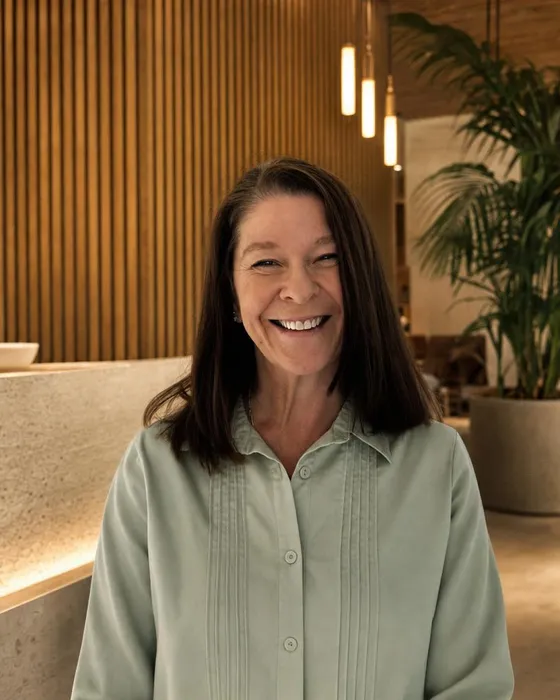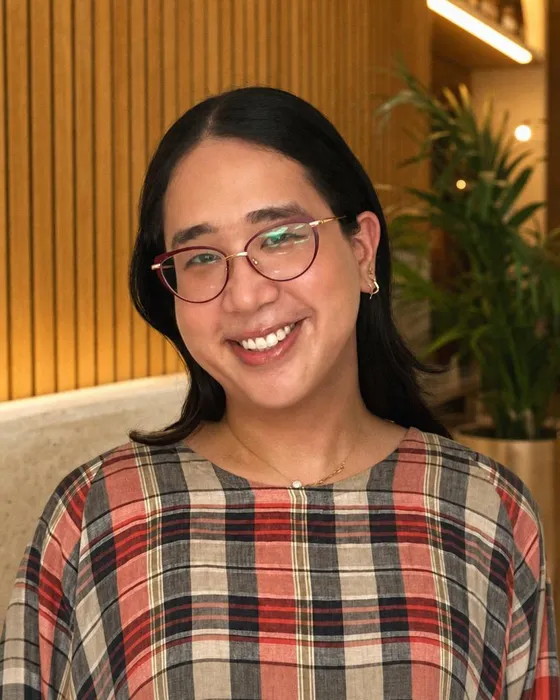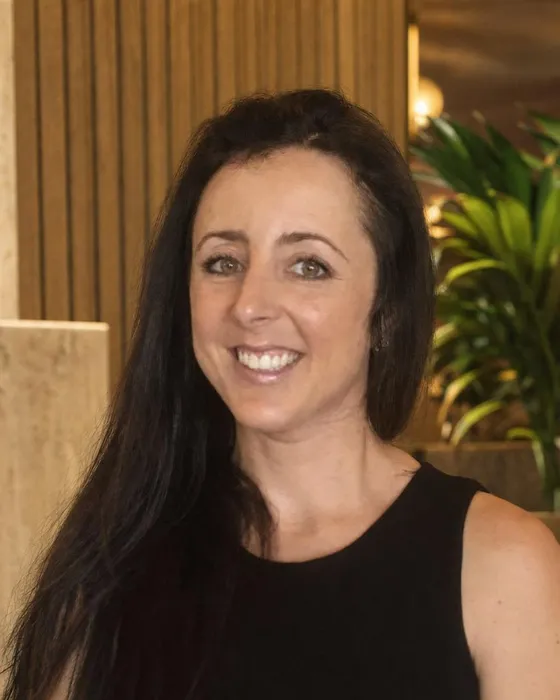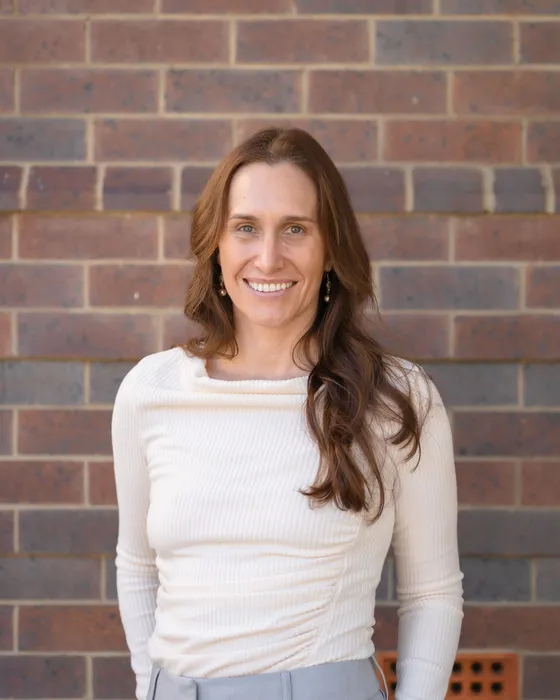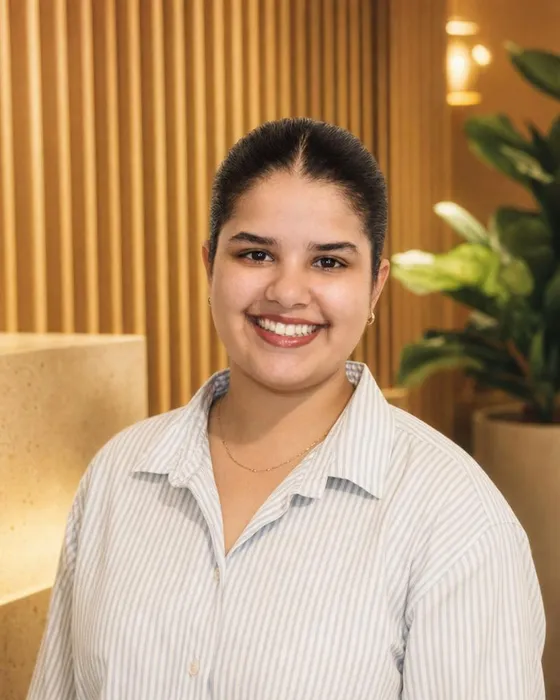









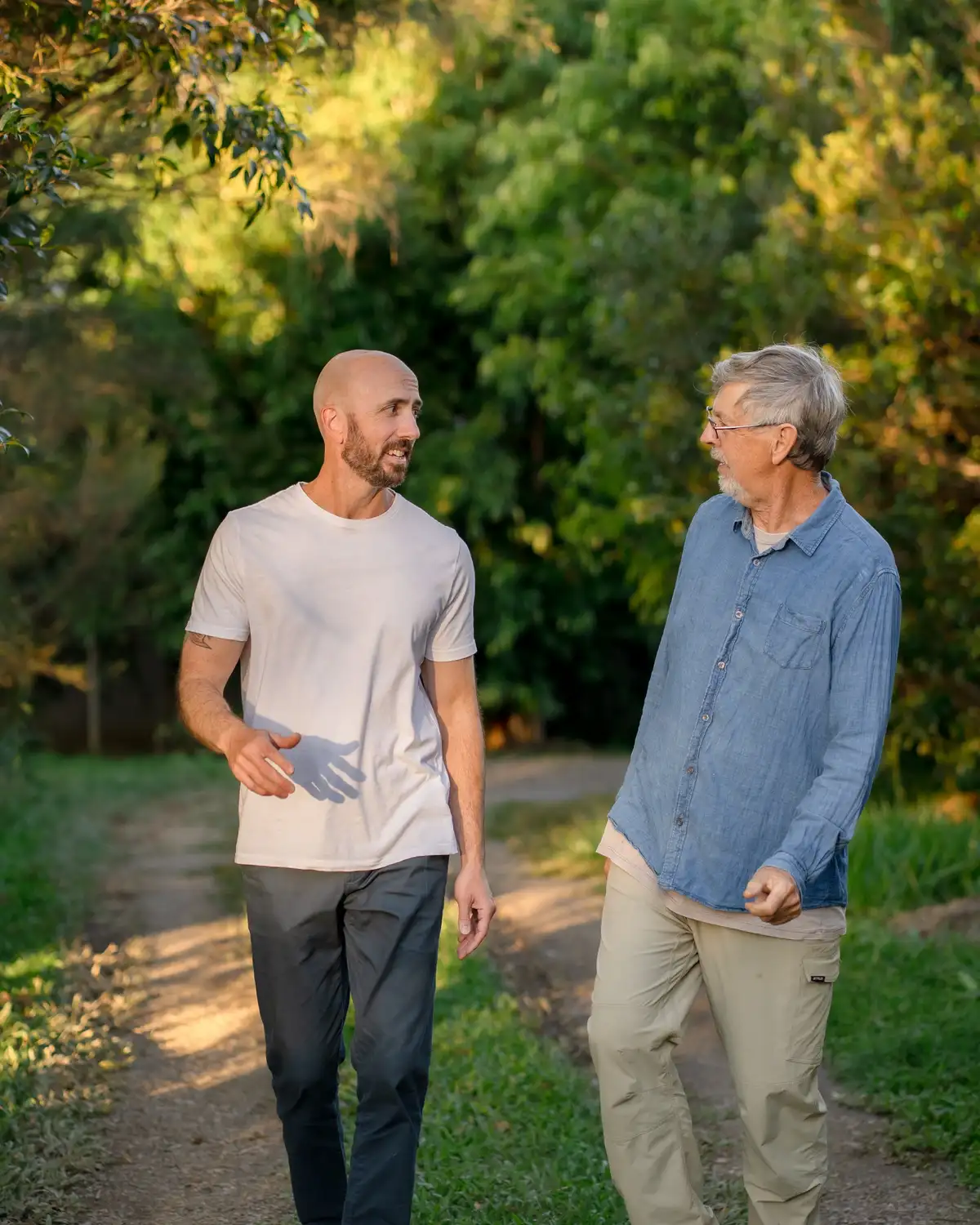
Meet Jas. Our new physiotherapist from Melbourne
Skip to content
Call Enquire
Eight disciplines, one team in your orbit
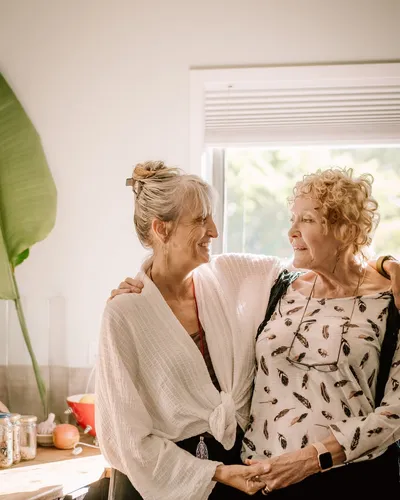
Two older adults together outdoors in warm afternoon light
Aged 65 and over

Care that comes to where life is actually lived.

For older Australians, the right therapy isn't a building you have to drive to. It's a clinician at the kitchen table, in the lounge room, or in residential aged care. Our team does most of this work in the home. We respect routines, involve family where the client wants them involved, and keep the focus on comfort, dignity and continuity of care.

Quick enquiry
Takes 60 seconds

Tell us who needs support

Or call 1300 294 635
Who is the support for?

Replies within 1 business day from a real intake clinician. Confidential. Never shared.

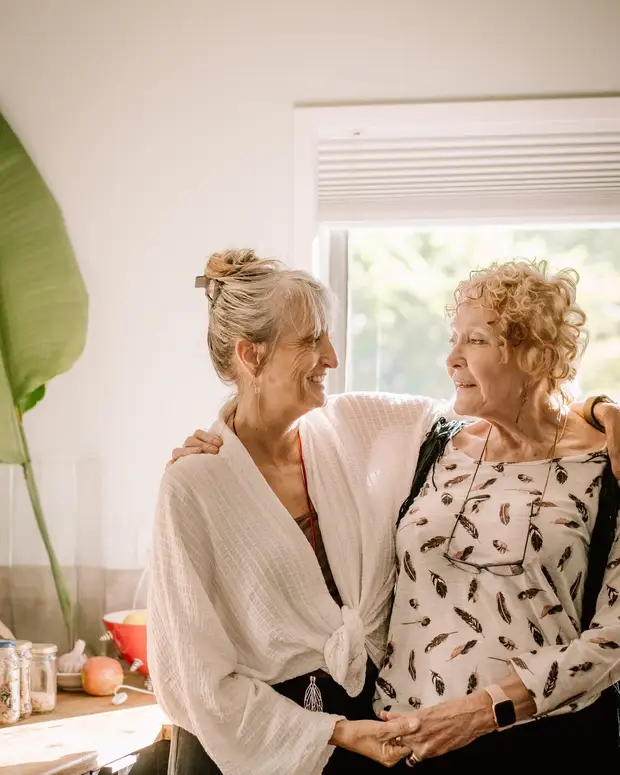
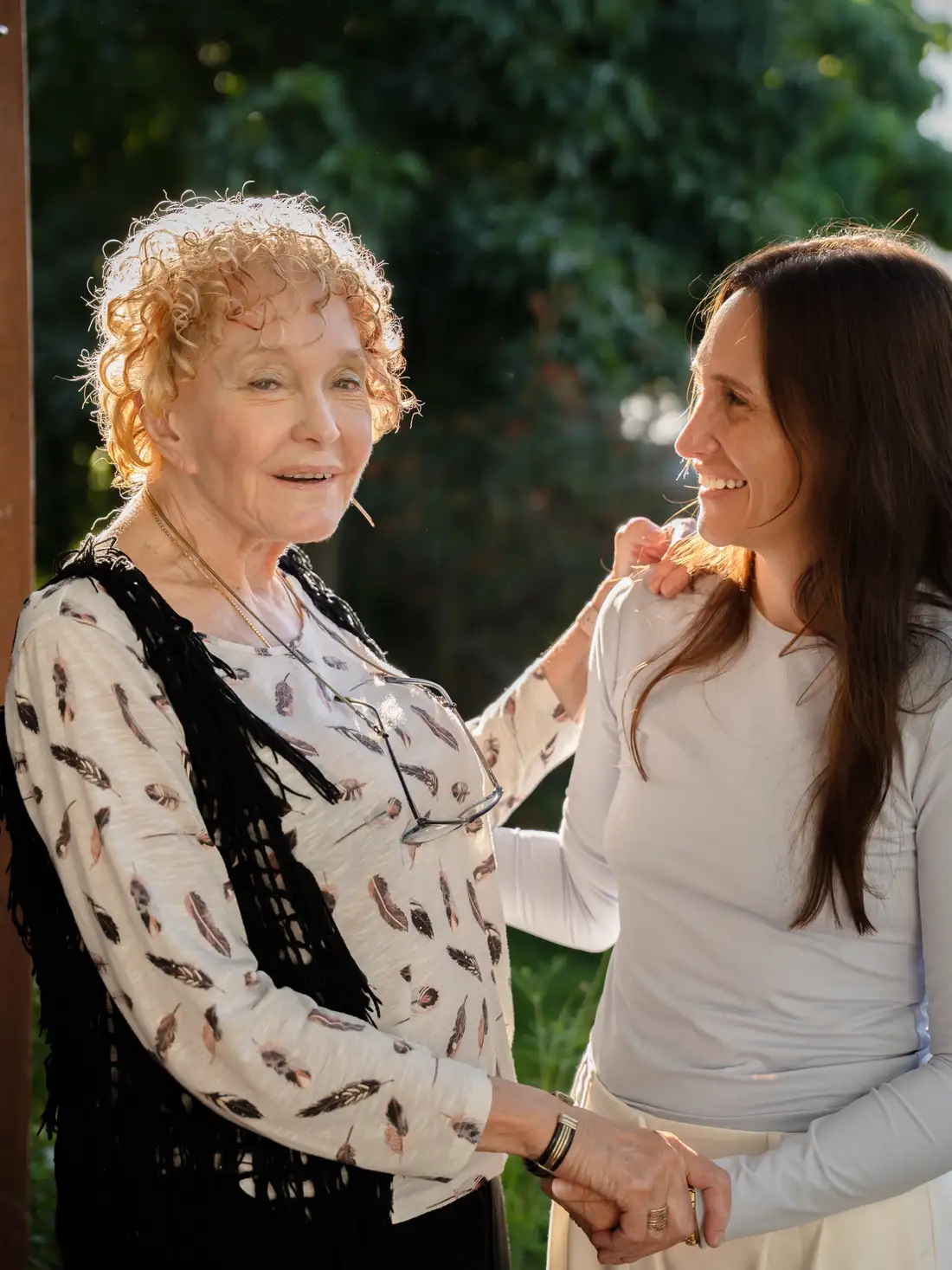
An older woman and a younger woman sharing a warm moment outdoors
Aged 65 and over
Plus pre-65 planning where it fits
In-home + on-site
Most work happens where life is lived
Support at Home + DVA
Plus private funding
Senior clinicians
Decades of aged care experience
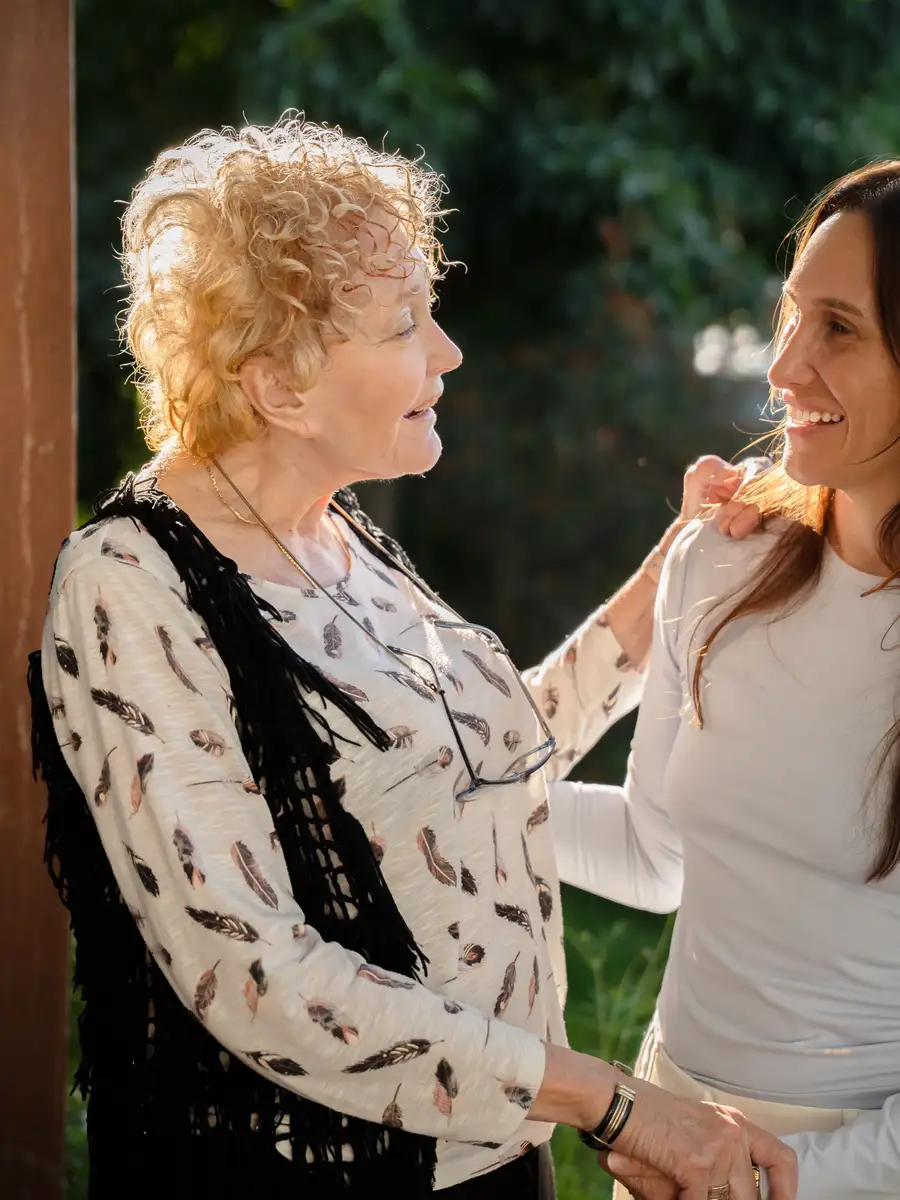
An older woman and a younger woman talking together in the garden

Why we love this work

There is a quiet privilege in doing this work in someone's home.

Working with older Australians often happens in the lounge room, at the kitchen table, in residential aged care, or with the family dog underfoot. The work is slower, more intimate, and more honest than clinic work. Our clinicians who do it well are some of the most senior in our team.

1

Doing the work where life is actually lived

An OT assessment at the kitchen sink tells you more in twenty minutes than an hour in clinic. We see how the kettle is reached for, where the rail should go, why the bathroom is the room everyone is worried about. The home is the truth.

2

Walking families through the cognitive-decline conversation

Memory changes are rarely just clinical. They're family. We do cognitive assessments with dignity and we sit with families through what the result means. The conversation goes better when someone has done it before.

3

Swallow plans that put a parent back at the family table

Dysphagia is one of the most isolating parts of getting older. A well-written mealtime plan means a mum or a dad can eat with the family again, safely. Justin and the speech team do this work in aged care residences and at home.

4

Quiet competence in aged care residences

Working alongside care staff, not over them. Practical recommendations the team can actually act on. Reports that read like they were written by someone who has been in the building. Julie's 34 years of experience shows up in the small things.

5

Helping a 90-year-old regain confidence in the shower

The wins in this work are small and consequential. Getting back to walking to the letterbox. Showering without a carer. Eating a roast with the family. Returning to the bowls club. These are the moments that change a person's last decade.

6

Steady, dignified work at end of life

Some of our work is supporting comfort and dignity as life is winding down: for the person, and for the family around them. We don't over-promise rehab. We focus on what matters now.

How we help

What working with us actually looks like.

Most of our older-Australian work happens in five recognisable shapes. We'll be clear about which fits and what comes next before you commit to anything.

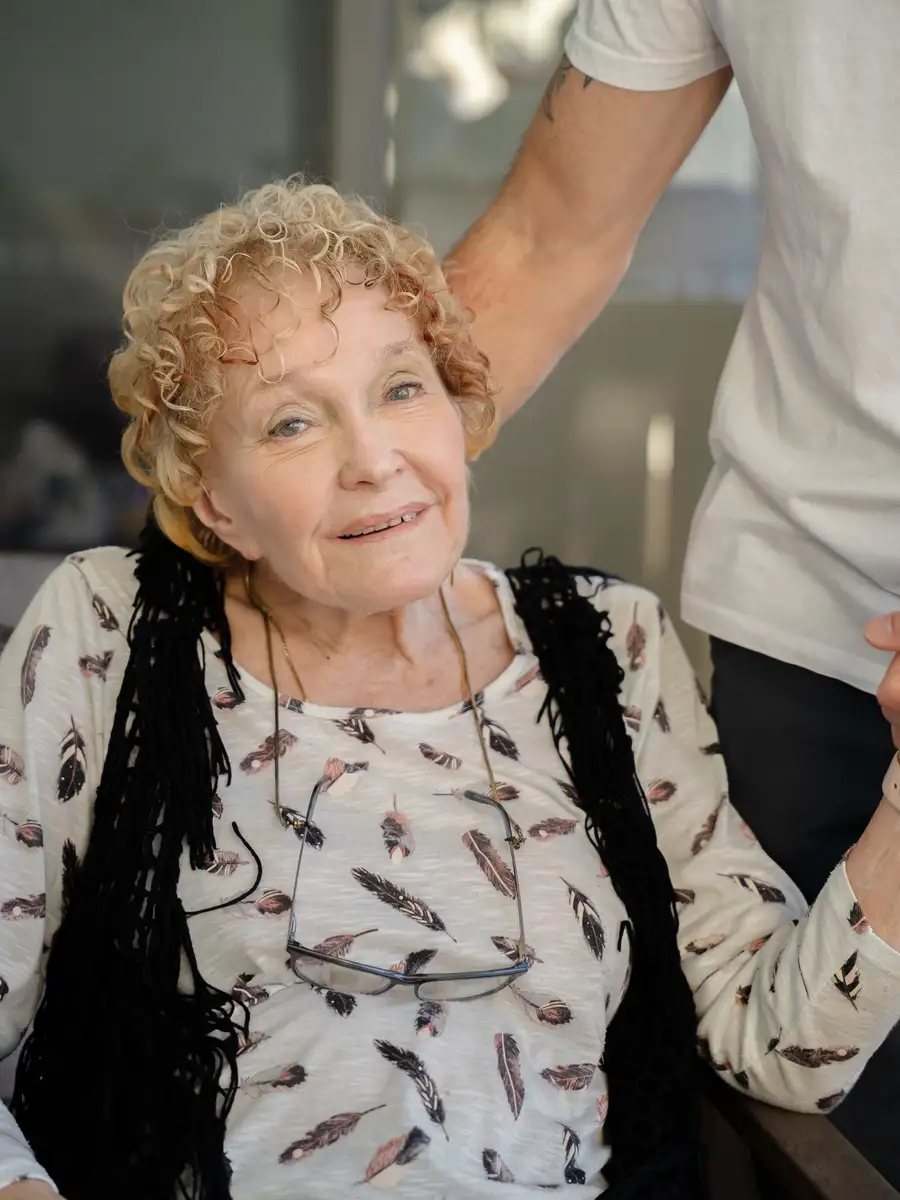
An older woman smiling warmly, with a hand resting on her shoulder
Step 01

Visiting where life actually happens

Our clinicians come to the family home, the residential aged care facility, the day-club or the retirement village. For some clients, especially in regional areas, we also use telehealth. But most of the meaningful work happens in person, in the room where life is lived.

Step 02

Swallow and mealtime assessments that change daily life

Bedside swallowing assessments at home or in residential care, with a written mealtime plan that aged care staff, family and support workers can actually follow. We work in plain English, not clinical shorthand.

Step 03

Cognitive assessments delivered with dignity

Our clinical psychologists do cognitive assessment with older Australians in a respectful, paced way: usually across more than one session, often at home. The report goes to the GP, family and care team in plain language with practical recommendations.

Step 04

Carer education and family meetings

A lot of this work is upskilling the people around the older person: adult children, partners, support workers, facility staff. We run focused family meetings, write education-style summaries, and translate clinical recommendations into everyday actions.

Step 05

Aged Care funding navigation

Support at Home, residual home care packages, DVA and private funding all have different rules. Our admin team talks to providers and case managers so the funding side runs in the background and the client and family don't have to manage it.

Support across later life

What we see at each phase.

Later life isn't a single stage. The reasons families bring us in, and the right clinician for the work, shift quietly through the decades. Here's the broad shape.

Age Pre-65

Planning and prevention

Adults moving from NDIS or working-age frameworks toward aged care. Early home modifications, OT for emerging mobility concerns, baseline cognitive assessments where there are early questions. The work that's done now saves work later.

Age Ages 65 to 74

Active retirement, early cognitive concerns, fall risk

Many clients in this band are still very independent. We get involved around fall risk, the first concerns about memory or attention, post-operative recovery, the transition into Support at Home, and counselling around adjustment to retirement or bereavement.

Age Ages 75 to 84

Support at Home, dysphagia and complex chronic care

Conditions accumulate, energy reduces, and the home and the body both ask for more support. OT-led home modifications, dysphagia assessments, communication after stroke, and psychology for grief, isolation and adjustment. Most of this is in-home work.

Age Ages 85 and over

Advanced care, end-of-life dignity, family support

Residential aged care work, dementia care, complex mealtime planning, and family support through the harder conversations. We don't chase milestones that don't matter to the person. We focus on comfort, dignity and continuity.

What we hear from families and providers

If this is where you're sitting, we can help

Mum's not safe in the house anymore

Trip hazards, an unsafe bathroom, struggling to get out of the chair, or near-misses on the stairs. OT-led home assessment, equipment and modifications under Support at Home or NDIS.

Memory and thinking changes

Repeating questions, getting lost in familiar streets, struggling with bills, or a recent dementia diagnosis. Cognitive assessment for clarity and care planning, psychology for the person and family.

Coughing at meals or losing weight

Choking episodes, food sitting in the mouth, weight loss, or a recent hospital admission. Speech pathology dysphagia assessment, with a mealtime plan staff and family can follow.

After a stroke or hospital admission

Communication or swallowing changes, reduced confidence, equipment and home setup that no longer fits. OT and speech working together at home or in residential care.

Low mood in later life

Withdrawing from things they used to enjoy, sleep gone, or grief after the loss of a partner or community. Gentle, paced counselling and psychology, usually at home.

Grief and loneliness

After bereavement, a move into care, or as the world shrinks. Counselling delivered in the home, with family included where the client wants them in.

Behaviours of concern in care

Distress, escalation or behaviours that staff are struggling to support, especially with dementia. Behaviour support and social work input alongside other clinicians where it fits.

A clean handover for the care team

Functional assessments and reports that aged care assessors, Support at Home providers and family can all read and act on. Written in plain English, not jargon.

Funding

Funded the way you fund it.

Older Australians most often see us through Aged Care Support at Home (and existing home care packages during transition), DVA, or privately. Support at Home funds allied health where the provider has approved it within the client's care plan, and we're happy to coordinate directly with case managers. DVA card holders are seen at the published DVA rates with no out-of-pocket cost.

Aged Care & Support at Home

Allied health under Support at Home, home care packages and aged care home placements. In-home and on-site visits.

DVA

Veteran allied health under valid DVA referrals. Bulk-billed where eligible.

Private

Pay privately for therapy or assessments without a referral. Clear, upfront fee schedule.

From the people we walk alongside
"Julie picked up things in one session that we'd missed for years. The FCA she wrote made Mum's plan review straightforward."
Daughter and carer, Melbourne
Aged care OT assessment and home mods

Common questions

Older Australians FAQs
Can OT visit Mum in aged care?

Yes. Our occupational therapists work in residential aged care facilities, retirement villages and the family home. We assess safety, equipment, transfers, daily routines and meaningful activity, and we coordinate with facility staff so recommendations actually land. We're set up to work with Aged Care Support at Home, home care packages, NDIS for younger residents, DVA and private clients.

Does Aged Care Support at Home cover allied health?

Yes, where the provider has included allied health in the care plan. Support at Home funds a range of services including OT, speech pathology, psychology and counselling. We're happy to talk to your provider or case manager directly to confirm fit before you commit to anything.

Do you do dysphagia assessments in residential aged care?

Yes. Our speech pathologists do bedside swallowing assessments in residential aged care and at home, and we write mealtime management plans that staff and family can actually follow. We've worked extensively with aged care kitchens and care teams to keep mealtimes safe without turning them into clinical events.

Can you assess for home modifications?

Yes. OT-led home modification assessments are a core part of our aged care work: bathrooms, ramps, rails, kitchen access and lighting. We write the scope so quotes come back like-for-like, and we report in the format Aged Care, NDIS and DVA funders accept.

Can family be part of sessions?

If the client wants them in, yes. For dementia care, family are often central to how recommendations land at home. For counselling, we follow the client's lead on who's in the room. Either way, we never speak about the person as though they aren't there.

Do you do dementia and cognitive assessments?

Yes. Our clinical psychologists do cognitive assessments for older Australians where there are concerns about memory, attention or executive function. The report is written in plain English with practical recommendations for the GP, family and care team. We'll also flag when a referral to a geriatrician or memory clinic is the better next step.

What if Dad doesn't want a stranger in the house?

Fair enough. We do a short introductory call first (sometimes with the family, sometimes with the person directly) so the clinician isn't a complete stranger when they walk in. We move at the person's pace, and if it isn't the right time, we'll say so rather than push.

Stars in our orbit

Letters from the people
we walk alongside.

From parents, NDIS participants, aged care families and the support coordinators who trust us with their people. Shared with permission; full names withheld on request.

"Our 14yo finally felt heard. Her counsellor was the first who actually got her, and now we have language we use as a family."

MR
Megan R.
Parent · Geelong, VIC

"The FCA report was the first time someone wrote about my life and it actually felt like me. My new plan reflects what I actually need."

JM
Jordan M.
NDIS participant · Adelaide, SA

"Reports land on time, every time. Recommendations are practical and NDIS aligned. I send participants here when I want it done right."

BL
Bec L.
Support Coordinator · Sydney, NSW

"The OT came to the nursing home and sat with us through the swallow plan. We didn't have to chase, explain, or repeat ourselves once."

DC
Diane C.
Aged care family · Melbourne, VIC

"Play therapy at age 3 felt like a long shot. Six months in, we finally feel like we know our son better. The clinician partnered with us the whole way."

SP
Sam P.
Parent · Gympie, QLD
OK
Olive K.
Adult psychology client · Hawthorn, VIC

"Kristie's assessment finally gave me language for what I'd been experiencing. The report was clear and the recommendations were practical."

Shared with permission · Names withheld where requested
Read more letters →

Ready to talk?

Let's get the right support to older australians .

Whether you're a parent looking for support, an adult navigating NDIS, an aged-care family, or a support coordinator with a referral, we'll meet you where you are.

Quick enquiry
Takes 60 seconds

Tell us who needs support

Or call 1300 294 635
Who is the support for?

Replies within 1 business day from a real intake clinician. Confidential. Never shared.