
1
Being one of the first professionals a teen trusts
Most teens have only had teachers, GPs and parents telling them what to do. The first clinician who actually listens, without lecturing, without panicking, is a person they'll remember.

Diagnosis, NDIS evidence and therapy across the lifespan.

Daily living, regulation, independence and reporting.

Language, AAC, literacy and adult dysphagia.

Trauma-informed, neuro-affirming. Every age.

From age 2. The language of early development.

Practical, dignified support for behaviours of concern.

Nutrition support for disability, aged care and complex needs.

Movement, strength and independence across the lifespan.

Funding-ready clinical evidence.

Teenagers and young adults don't need to be managed. They need a clinician who'll listen properly, take them seriously, and respect the fact that they're working out who they are. We do that work in plain language, without lecturing parents in front of them or pretending we don't know what's happening online.


Adolescents aren't a project to be managed. They're working out who they are, often under more pressure than the adults around them realise. The clinicians who do this work well treat young people as the experts on their own lives, and let the relationship do the heavy lifting.
Most teens have only had teachers, GPs and parents telling them what to do. The first clinician who actually listens, without lecturing, without panicking, is a person they'll remember.
Gender, sexuality, neurodivergence, family role, the thing they want to do with their life. We don't make those conversations weird, and we don't pretend the internet doesn't exist. Identity work, done well, is the floor under everything else.
The shift from 'I just feel bad all the time' to 'I think I'm anxious and I want help' is one of the most important sentences in therapy. We do a lot of careful scaffolding so a young person can say it without it costing them their cool.
The drop-off after senior school is real. We work with young people moving into uni, into work, into apprenticeships, into nothing-yet, and we don't pretend the path is obvious.
Autistic and ADHD teens have usually been on the receiving end of years of 'try harder' style intervention. Our neuro-affirming approach starts with: you're not broken, here's what your nervous system needs, here's how to advocate for it.
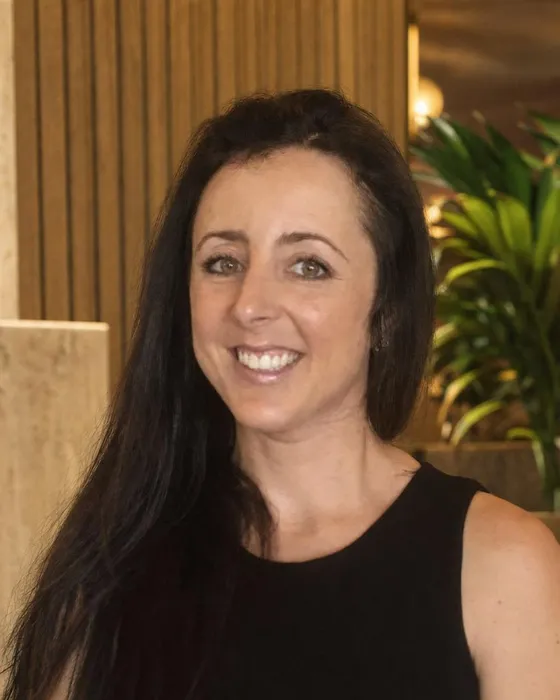
Jacque and the rest of our youth-facing team do something subtle and important: they hold the space while a young person figures it out themselves. Independence built that way actually lasts.
Most of our teen work starts with one clinician and one focus, and changes shape over time. Here's the broad shape of what working with us tends to look like.

We don't open with a clipboard. The first session is about the young person: what they're into, what's annoying them, what they want different. The clinical history comes through naturally as the conversation builds. No-one's asked to disclose their hardest thing in the first 50 minutes.
Teens often need different things from parents at different times, and so do parents. We hold the teen's confidentiality, run parallel parent sessions where useful, and agree up front on what gets shared and what stays in the room.
We don't hand out generic worksheets. The strategies we work on are designed for the actual school yard, the actual share house, the actual group chat. If something doesn't fit the young person's real life, we throw it out and try something else.
Paediatric services end at 16 or 18 in most systems. We see young people from 9 through to 25 in a single relationship, so the transition into adult mental health and NDIS isn't a hard cut-off. Same clinician, same story, new chapter.
From Medicare Mental Health Care Plans organised by a GP, to a teen signing their own NDIS service agreement at 16, to NDIS plan reviews that reflect emerging adult life: we'll talk you through the funding shifts as they happen.
Adolescence isn't one stage. It's a decade and a half of change. The pressures, the funding pathways and the right clinician all shift along the way. Here's how we think about it.
The end of primary is when anxiety often hardens, friendship groups churn, and behaviour starts to look bigger because the child has more capacity to act on big feelings. We blend play-based and talk-based work, with parents kept in the loop.
The first wave of high school can knock a young person sideways. Year 7 transitions, social media intensity, body image, early identity work and the start of a serious study load. Counselling and psychology in equal measure.
Senior years bring real stakes: ATAR pressure, post-school decisions, and for some young people their first serious mental health episode. We focus on getting through, planning what's next, and making sure no-one is walking through it alone.
Young adults moving into their own NDIS plan, starting study or work, leaving home, or working out what their version of adulthood looks like. We treat them as the client, not their parents, and we don't infantilise.
Worry spirals at night, panic before tests, dread about school camp, or social anxiety that's quietly shrinking the week. Counselling and psychology, paced for the teen.
Withdrawal from friends, sleeping all day, dropped marks, or a young person who's gone quiet on you. We work at the pace they can handle, not the pace adults want.
Sexuality, gender, neurodivergence, family role: the work of being a teen. We're neuro-affirming and we follow the young person's lead without ever making it weird.
Late realisations, masking that's wearing thin, or a request for a formal assessment for school or NDIS. We can talk options through before you commit.
Teens who use AAC, are minimally speaking, or want to build the social side of communication on their own terms. We presume competence and follow their lead.
Falling behind in high school English, suspected dyslexia, or assessments and adjustments that need clinical input. Literacy support from a speech pathologist.
Move to high school, senior years, exam load, or a school environment that no longer fits. OT for executive function, counselling for the rest.
Young adults moving into adult life on the NDIS: first plan, first FCA, first time choosing their own clinicians. We treat them as the client, not their parents.

Trauma-informed, neuro-affirming. Every age.

Diagnosis, NDIS evidence and therapy across the lifespan.

Daily living, regulation, independence and reporting.

Language, AAC, literacy and adult dysphagia.

Funding-ready clinical evidence.
Hand-picked clinicians from across our QLD, VIC and NSW team for teens & young people.
Teens and young people see us through NDIS, a Medicare Mental Health Care Plan, or privately. NDIS participants aged 16 and over can sign their own service agreements where they have capacity, and we're set up for that. If a parent is funding sessions privately, the teen still gets a confidential relationship with the clinician. We explain how that works at intake.
Plan-managed, self-managed and agency-managed. Capacity Building, Improved Daily Living and Core supports.
Mental Health Care Plans and Chronic Disease Management Plans where the service qualifies.
Pay privately for therapy or assessments without a referral. Clear, upfront fee schedule.
"Our counsellor gave my fourteen-year-old somewhere to actually be honest. She came home from sessions lighter, and I had homework that made sense."
In Australia, a young person who's deemed a 'mature minor' can consent to their own healthcare, including psychology and counselling. In practice that usually means age 14 and up, with some younger teens fitting that criteria too. We work it through case by case. Where the teen is paying privately or accessing care through a Mental Health Care Plan they've organised themselves, we can keep parents out by request, with the usual safety exceptions.
No, with limits we'll explain upfront. The only things we'd ever pass on without permission are serious risk to your safety or someone else's, or a child protection concern. Outside of that, your sessions are yours. Where parents are paying or involved, we often agree on what gets shared, usually broad themes, not specifics.
Both do talking therapy. A psychologist is AHPRA-registered and can do formal assessment, diagnosis and Medicare-rebated sessions under a Mental Health Care Plan. A counsellor is qualified through Diploma or higher and is often a great fit for ongoing support, identity work and life-stage stuff. For many teens, counselling is the right call and it's more affordable.
Yes. Telehealth works well for a lot of teens: phone, video or a mix. You can be in your bedroom with the door shut. Some assessments need to happen in person and we'll be upfront about which ones.
Yes. Our clinical psychologists do cognitive and diagnostic assessments for teens, including for autism and ADHD presentations. We're neuro-affirming, which means we treat the result as identity rather than pathology, and we write reports that schools and the NDIS can use without leaning on deficit language.
When you turn 18 (and sometimes earlier), your NDIS plan can shift so you're driving it. We can help you put together the evidence for a plan review that reflects your current life, including a Functional Capacity Assessment if that's missing. Support coordinators are welcome to call our admin team to talk it through.
That's fine. Plenty of our teen clients start that way. We don't push. There are quieter, more creative ways into the work, and we let the relationship build at the pace it builds. Showing up is the part that matters.
From parents, NDIS participants, aged care families and the support coordinators who trust us with their people. Shared with permission; full names withheld on request.
"Our 14yo finally felt heard. Her counsellor was the first who actually got her, and now we have language we use as a family."
"The FCA report was the first time someone wrote about my life and it actually felt like me. My new plan reflects what I actually need."
"Reports land on time, every time. Recommendations are practical and NDIS aligned. I send participants here when I want it done right."
"The OT came to the nursing home and sat with us through the swallow plan. We didn't have to chase, explain, or repeat ourselves once."
"Play therapy at age 3 felt like a long shot. Six months in, we finally feel like we know our son better. The clinician partnered with us the whole way."
"Kristie's assessment finally gave me language for what I'd been experiencing. The report was clear and the recommendations were practical."
Whether you're a parent looking for support, an adult navigating NDIS, an aged-care family, or a support coordinator with a referral, we'll meet you where you are.